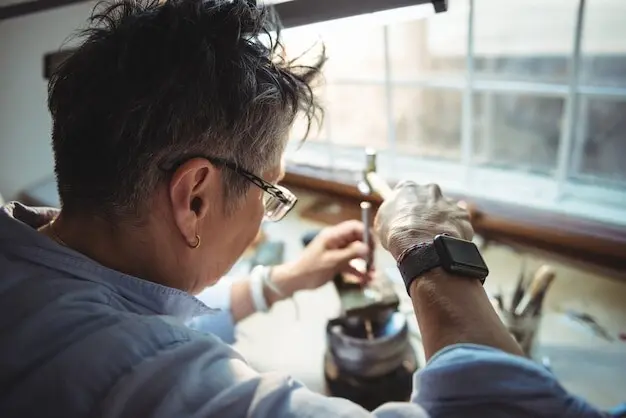
Fix, Share, Thrive: Neighbors Reimagining German Streets

Today we dive into Community Repair Cafés and Sharing Networks Transforming German Neighborhoods, celebrating how neighbors breathe new life into broken objects and daily routines. From revived kettles to libraries of tools and cargo bikes, this movement blends climate action with affordability and friendship. Expect stories, practical steps, and resources you can use immediately, plus heartfelt examples from Berlin to Freiburg that show how collective care, playful ingenuity, and open knowledge strengthen streets, stairwells, and courtyards across the country.

Why Repairing and Sharing Change Everyday Life

Repair gatherings and neighborhood lending circles turn throwaway habits into proud, hands-on problem solving. People save money, keep materials in use longer, and discover the joy of learning together. In Germany’s courtyards and community rooms, strangers become teammates, loneliness softens, and small victories—like a lamp glowing again—spark real confidence. This is climate action you can touch: emission cuts measured not only in avoided waste, but also in stronger social fabric, practical skills, and a renewed belief that neighbors truly have each other’s backs.

Start One Where You Live

{{SECTION_SUBTITLE}}

Finding a Host Space

Look for a community center, library corner, school cafeteria, church hall, or cooperative courtyard with tables, sockets, and good light. Easy access matters, as do chairs for conversations and coats. Friendly signage outside welcomes passersby. A shared calendar simplifies planning, and a simple tea station brings people together. Partner early with caretakers who understand your purpose, and swap favors generously—perhaps helping with a small maintenance task in return for storage or a recurring monthly slot.

Recruiting Volunteers and Mentors

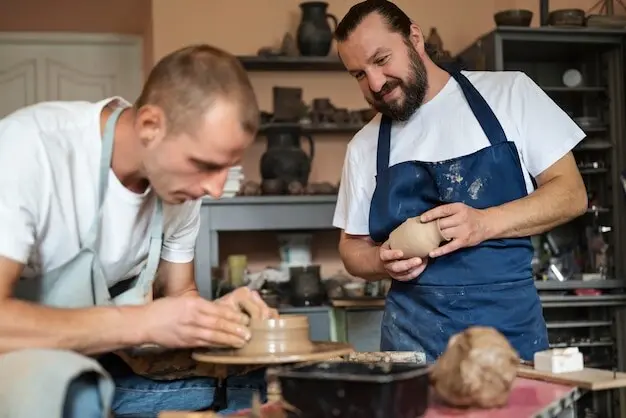
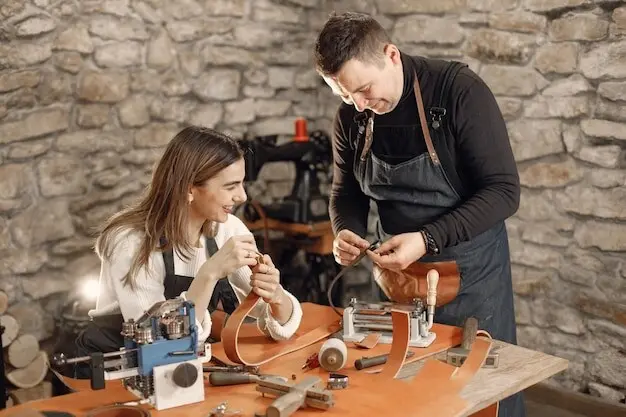
Mix experienced tinkerers with curious beginners, textiles enthusiasts with cyclists, and patient hosts with careful troubleshooters. Retirees often bring deep craft knowledge; students add fresh energy and digital savvy. Invite local businesses to send staff for a skills day. Keep introductions human: names, interests, and a favorite repair story. Rotate roles to prevent burnout, and always debrief wins and learnings. When people feel seen, appreciated, and supported, they return—and they bring friends who keep momentum alive.

Tools, Parts, and Know‑How That Spark Miracles

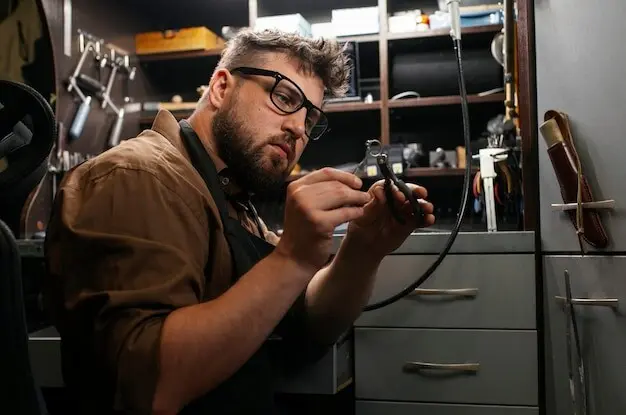
A thoughtful toolkit unlocks possibility. Start with precision screwdrivers, spudgers, tweezers, multimeters, extension cords, bike stands, sewing machines, needles, fabric patches, and all the little screws people always lose. Add magnification, good lamps, and containers for parts. Spare plugs, fuses, cables, and thread colors save the day. Print basic troubleshooting checklists and label drawers clearly. Most importantly, cultivate a culture of asking questions, narrating steps aloud, and pausing often so everyone learns the why, not just the how.

Snapshots Across Germany

From Freiburg’s sunlit courtyards to Hamburg’s breezy canals, local initiatives bloom in spaces large and small. In Munich, a tool library lives beside a bike kitchen; in Leipzig, a library foyer hosts lively sewing circles. Cologne’s community centers open doors monthly, while smaller towns meet in multipurpose rooms. Everywhere, the same pattern appears: friendly hosts, thoughtful boundaries, and contagious laughter when a bulb lights or a chain clicks back into place, reminding everyone why gentle persistence matters.

Connecting Through Platforms and Open Knowledge

Digital tools extend invitations, coordinate volunteers, and preserve learning. Neighborhood apps help announce sessions, track attendance, and share photos responsibly. Open manuals, troubleshooting trees, and step‑by‑step repair logs turn individual fixes into community knowledge. A simple repository—spreadsheet, wiki, or pad—prevents repeated mistakes, anchors safety notes, and showcases creative hacks. Transparency builds trust with partners and municipalities, while shared calendars avoid clashes with markets or school events. The result is smoother logistics and a welcoming rhythm people can rely on.

Keeping It Funded, Fair, and Welcoming

Long‑term success grows from modest budgets, transparent stewardship, and a culture of care. A donation jar, occasional benefits, or small grants cover consumables and safety gear. Clear roles prevent burnout; rotating hosts keep energy fresh. Codes of conduct protect dignity, while inclusive language and signage invite newcomers confidently. Measure what matters—trust, skills, and delight—alongside material savings. End every session by inviting stories, photos, and future ideas, nurturing a circle where generosity fuels continuity and meaningful belonging.
Livoveltolorokavi
Privacy Overview

This website uses cookies so that we can provide you with the best user experience possible. Cookie information is stored in your browser and performs functions such as recognising you when you return to our website and helping our team to understand which sections of the website you find most interesting and useful.